What Sets Great Hospitality Design Apart
Date
May 21, 2026
Reading Time
3 Minutes
Noor Studio explores what separates considered hospitality interiors from forgettable ones from brief to opening, across Southeast Asia and the Middle East.
What Sets Great Hospitality Design Apart — And Why Bespoke Still Matters
A hotel is not a building. It is a sequence of experiences arrival, threshold, corridor, room, terrace, departure. Each transition is a design decision. Each material surface, each quality of light, each proportion of doorway either reinforces or undermines the story a property is trying to tell. That story cannot be bought off a shelf. It has to be built through a rigorous, iterative process that begins long before the first sketch and extends well beyond opening day. This is what bespoke hospitality design actually means: not customisation for its own sake, but precision applied to a specific context, a specific guest, a specific place.
The Case Against Generic
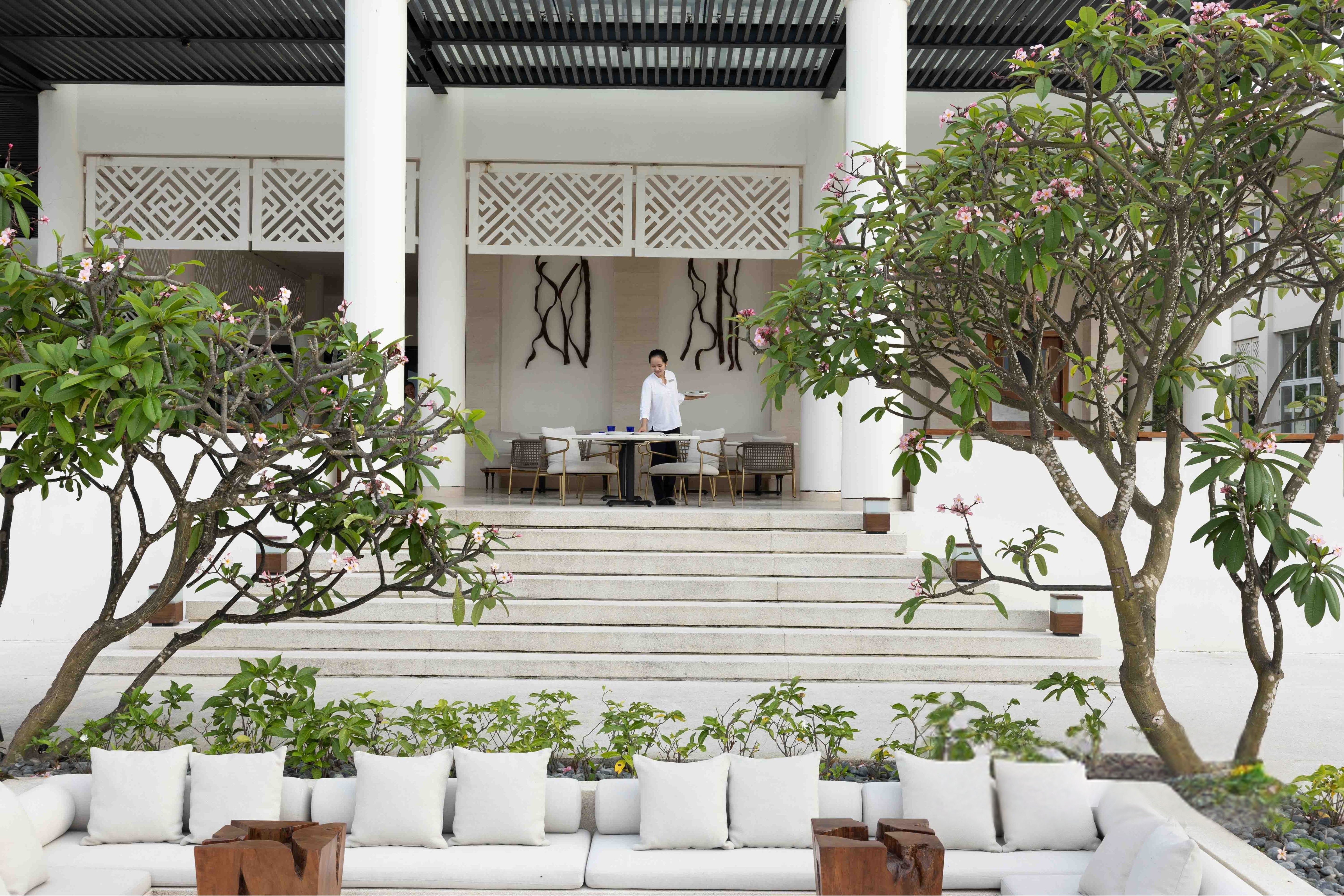
The past decade has produced a recognisable vocabulary in hotel interiors across Southeast Asia and the Middle East: pale stone floors, exposed concrete, low rattan seating, artisanal light fittings sourced from the same handful of manufacturers. The aesthetic is coherent. It photographs well. And it fails, ultimately, because it belongs nowhere in particular. A resort in Ke Ga Bay and a boutique hotel in Jeddah require entirely different spatial and material responses different light conditions, different cultural registers, different relationships between interior and landscape. The studio that delivers the same solution to both isn't designing: it's redeploying. Considered hospitality design begins with the understanding that context is not a constraint it is the brief.
Azerai Ke Ga Bay - 2021
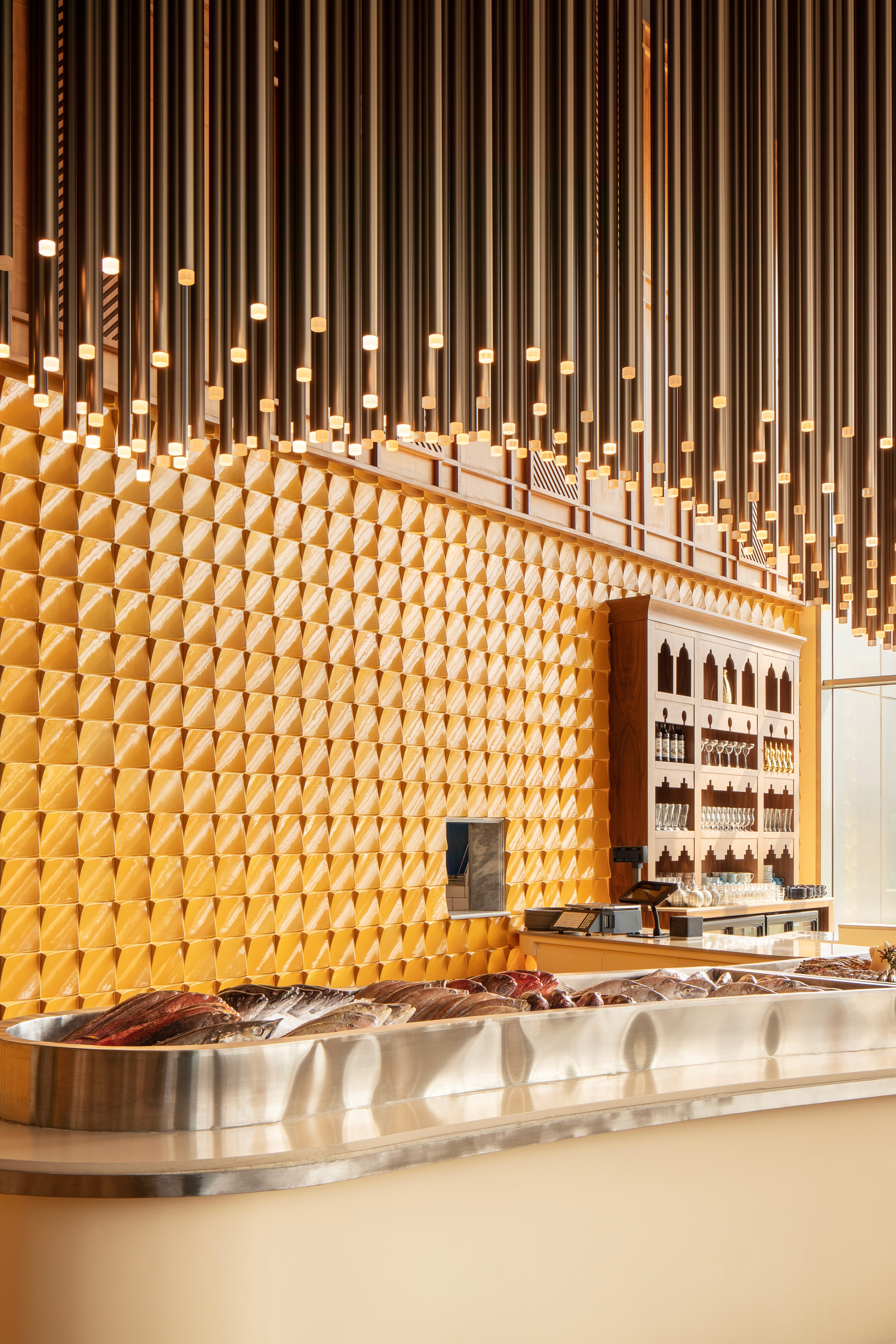
Shirvan Hotel
From Concept to Completion: What the Process Actually Looks Like
At Noor Studio, every project begins with an extended discovery phase. This is not a formality. It is the most important work we do. We visit the site. We walk the guest journey from the first glimpse of the property from the road to the quality of morning light in the bedroom. We sit with the operator and ask questions about the guest they are designing for, the experience they want to create, and the brand positioning they are building toward. Only when we have a clear understanding of the brief specific, operational, grounded in the reality of the property do we begin to design. This process, which we call the Noor Method, is iterative by design. Concepts are developed, presented, challenged, and refined. Materials are selected not just for their appearance at opening, but for how they will look and feel after five years of use.
Material Intelligence in Hospitality Interiors
In a residential project, beauty is the primary criterion. In a hospitality project, beauty is necessary but insufficient. A surface must be beautiful and cleanable. A threshold must be inviting and compliant with accessibility standards. A lobby seating area must feel intimate at low occupancy and hold up at full capacity. Material selection in hospitality is a discipline. Warm teak in a coastal resort speaks to the landscape and ages gracefully in a humid climate. Handmade tile in an F&B space carries the texture of place and survives service traffic. Locally sourced stone grounds a property in its geography and reduces long-term maintenance exposure.
Why Southeast Asia and the Middle East Demand Bespoke Approaches
The hospitality markets of Southeast Asia and the Middle East share one characteristic that makes generic design solutions particularly inadequate: both are regions of extraordinary cultural complexity and rapidly evolving guest expectations. In the Gulf, operators are building properties that must serve international luxury travellers, domestic guests with deep cultural expectations, and increasingly discerning regional visitors. A hotel interior that worked in Dubai five years ago may already feel dated. In Southeast Asia, the landscape itself demands response. A resort in Ke Ga Bay, a wellness retreat in Cambodia, an urban F&B destination in Ho Chi Minh City each requires a spatial language shaped by its immediate context. Noor Studio has spent twenty years developing the contextual knowledge and regional relationships that make this kind of work possible. Our studios in Ho Chi Minh City and Athens are not satellite offices they are the centres of gravity for a practice built around understanding place.
Precision Guided by Experience
The positioning we return to most often at Noor Studio is this: precision guided by experience. Not just technical precision though our projects are delivered to exacting standards. The precision we mean is conceptual: the ability to identify, for a given property and a given operator, exactly what kind of space will serve the guest, express the brand, and hold up over time. That precision is only possible through experience. Through twenty years of projects across climates, cultures, and programme types. Through the accumulated knowledge of how spaces actually perform not just how they appear. This is what bespoke hospitality design, practised properly, delivers: not the most beautiful interior, but the most considered one. Inquire about your next project → If you are planning a new hospitality project or a redesign and would like to explore how the Noor Method might apply, we welcome a conversation. Contact the studio directly: info@noordesign.net